ChatGPT Wallet: OpenAI's Agents Can Now Pay — Without Ever Seeing Your Card
Nothing here is sponsored — no affiliate links on this page. This breaking article is not the daily buyer-intent post. Facts below come from the source listed at the end, checked 14 November 2026. We have not tested this hands-on, and nothing here is a hands-on finding.
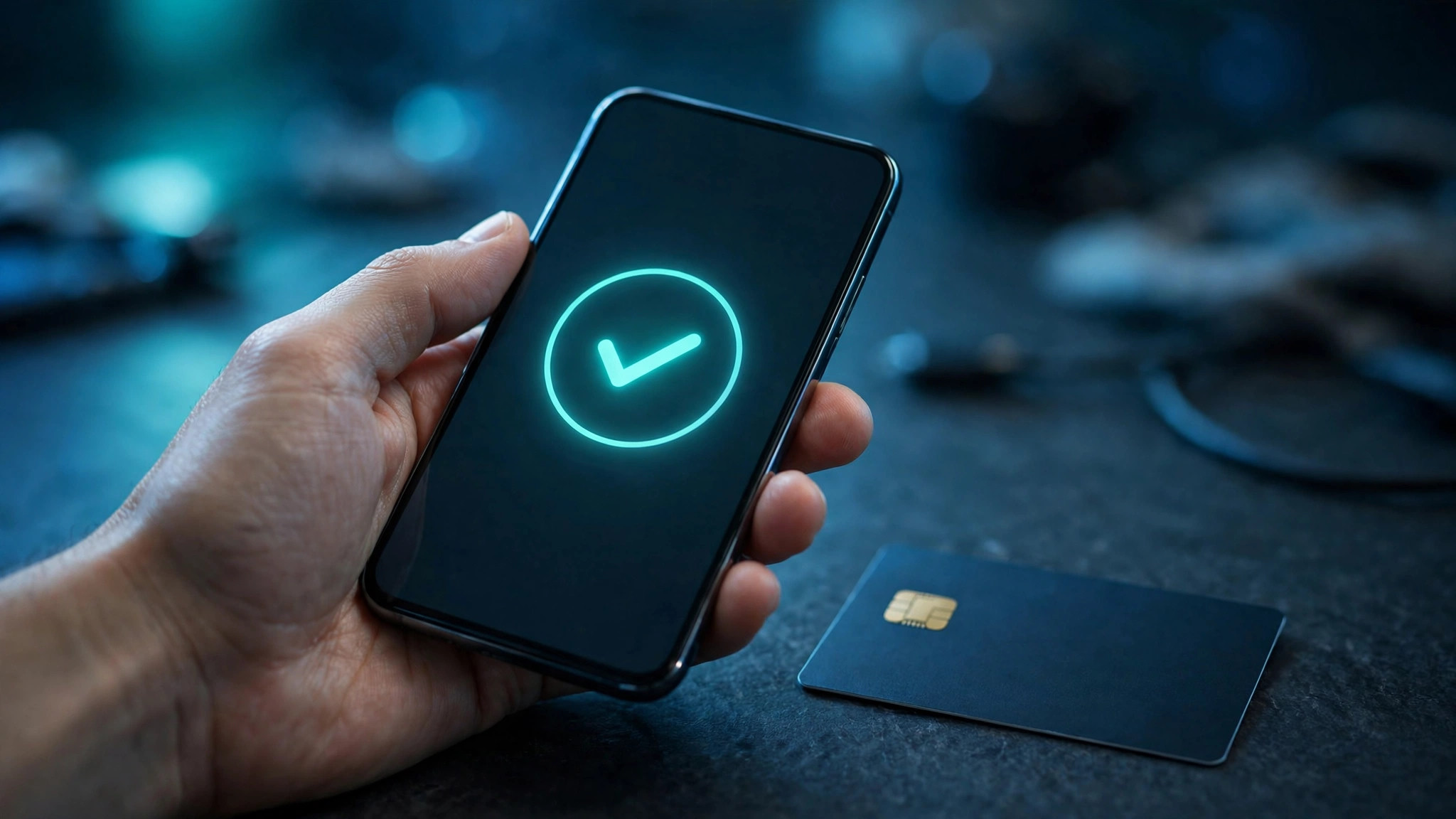
OpenAI launched ChatGPT Wallet on Friday, November 13, 2026. It's the first wallet built for a world where an AI agent does the buying — and the headline claim is the one that matters most: the agent can pay for things without ever getting access to your actual card details.
That sounds like a small technical detail. It isn't. It's the difference between "I told ChatGPT to order this" and "I handed ChatGPT my credit card." Until now, every agent that bought something needed your card, or a workaround that felt like handing it over. Wallet is OpenAI's answer to the trust problem at the centre of agentic commerce — and with 1.2 billion people using ChatGPT each week, the answer is going to shape how a lot of us shop.
🔍 How we put this together
We verified the story against OpenAI's own announcement ("Introducing ChatGPT Wallet"), published 13 November 2026, read directly. We have not used ChatGPT Wallet hands-on, so nothing here is a hands-on finding. Where a claim comes from OpenAI — most importantly the rollout, partnership and capability details — we say so plainly instead of presenting it as an independent result.How it actually works
The flow, as OpenAI describes it, is deliberately boring — and boring is good when money is involved:
- You add a card once. That's the only time your real card details enter the picture.
- Before each purchase, you review it. You see the items, the total, and which card will be charged — then you approve it with a security check such as Face ID or a fingerprint.
- The payment network issues a payment token. That's a substitute card number, security code and expiry date. The agent and the business see the token, never your real card details.
- The charge goes to the card you selected.
So the agent does the finding, the comparing and the checkout legwork, but the actual payment is a tokenised transaction on a card you chose, approved by you, purchase by purchase. There's a security check for every purchase — not a one-time permission you grant and forget about.
Who built it, and where it lives
Wallet wasn't built alone. OpenAI developed it in partnership with American Express, Mastercard and Visa, and it's available through OpenAI's "dots" agent platform.
That partnership list matters more than it looks. A wallet that only worked with one network would be a demo. Three networks means the tokenisation — the substitute-card-number machinery — runs through the payment rails your card already uses, which is also why OpenAI can say your card's existing rewards and protections carry over, including for eligible disputes.
Who gets it — and who doesn't (yet)
The rollout is narrow, and OpenAI is upfront about it:
- Rolling out from November 13, 2026 — so if you don't see it yet, that means the rollout hasn't reached you, not that you missed it.
- ChatGPT Pro subscribers first, in the US.
- Aged 18+, with eligible US-issued cards.
That's it for now. No date for other plans, no date for other countries. If you're outside the US, or on a free or Plus plan, this announcement changes nothing for you today — it's a "coming to you later" story, and OpenAI hasn't said when later is.
What stays the same for you
Two things OpenAI is keen to stress, and both are worth noting:
- Your card keeps working like your card. Existing rewards and protections stay in place for eligible disputes. Wallet doesn't replace your card's terms — it sits on top of them.
- Businesses keep the customer relationship. They stay in control of pricing, fulfilment, returns and customer service. The agent is a go-between for the transaction, not a new middleman that owns the sale.
That second point is aimed at merchants, obviously — OpenAI needs businesses to accept agent-driven orders — but it matters for buyers too. If something goes wrong with an order, you still deal with the business you bought from, not with a wallet support queue.
What businesses need to do
OpenAI also released a Commerce Partner Playbook for businesses, and the supporting cast tells you how seriously they're taking the fraud question: fraud-prevention partners Forter, Riskified, Sardine and Signifyd, and payment providers Adyen, Checkout.com and Stripe.
There's one practical instruction for any business running a storefront: configure your CDN and firewall to recognise signed requests via Web Bot Auth — and don't block agents. If your bot defences treat every agent request as a scraper, your customers' agents simply can't check out with you. That's a configuration change some teams will need to make deliberately, and it's the kind of detail that decides whether this works in practice or only in the announcement.
What's coming next
The version launching now still asks you to approve each purchase. The next step, OpenAI says, is full delegation: you'll be able to let the agent buy on its own within boundaries you set — spending limits, purchase categories, or time periods — with pre-approval and what OpenAI calls "enhanced safeguards."
That's the version where the trust question gets real. Approving every purchase is a safety net; delegating within limits is a leap. OpenAI hasn't given a date for it, and honestly, the safeguards will need to be very good before most people hand an agent a spending limit and walk away. For now, the approve-every-purchase design is the right place to start.
The honest limits
- No hands-on evidence yet. Everything above is from OpenAI's announcement, published November 13, 2026. I haven't used ChatGPT Wallet, and neither has anyone writing about it from outside the rollout.
- Narrow rollout. US, Pro subscribers, 18+, eligible US-issued cards. Most ChatGPT users — all 1.2 billion of them, weekly — can't use it yet.
- The token is only as good as the approval step. The security model depends on you actually reading the review screen before approving. If people start tapping approve the way they tap "accept cookies," the protection thins out fast. That's a human problem, not a technical one, but it's the one that will decide whether this works.
- No date for delegation. Spending limits and pre-approval are promised, not shipped.
My take
Agentic commerce has had a chicken-and-egg problem: agents couldn't buy things because nobody wanted to give them a card, and nobody built the checkout because agents couldn't buy things. ChatGPT Wallet is the first serious attempt to break it — not by giving the agent your card, but by making sure the agent never needs it.
The design choices are the right ones: approve every purchase, tokenise the payment, keep the card's own rewards and protections, keep the merchant in charge of the order. If it works as described, the moment that matters is the first time you say "order more of this" and the only thing you have to do is glance at a total and touch your fingerprint sensor.
The test is simple, and it's the same test I'd apply to any payment product: the first time something goes wrong — a wrong item, a double charge, a dispute — does the token make it harder or easier to sort out? OpenAI says your existing protections apply. That's the claim to watch. If the first real dispute goes smoothly, agents buying things stops being a demo and starts being normal. If it doesn't, the trust problem is back, token or no token.
For now: if you're a US Pro subscriber, watch for the rollout. Read the review screen every time. And don't delegate anything until the spending-limit version actually ships and someone has stress-tested it.
Are you in the rollout yet — and if ChatGPT offered to buy something for you tomorrow, would you let it?
Sources: OpenAI — "Introducing ChatGPT Wallet" (https://openai.com/index/introducing-chatgpt-wallet/), published 13 November 2026. All capability, rollout, partnership and availability claims are OpenAI's, stated as such. No hands-on testing was performed for this article. This breaking article is not the daily buyer-intent post, and it contains no affiliate links. AI disclosure: this article was drafted with AI assistance and checked against OpenAI's announcement.